Glyn Vincent photograph
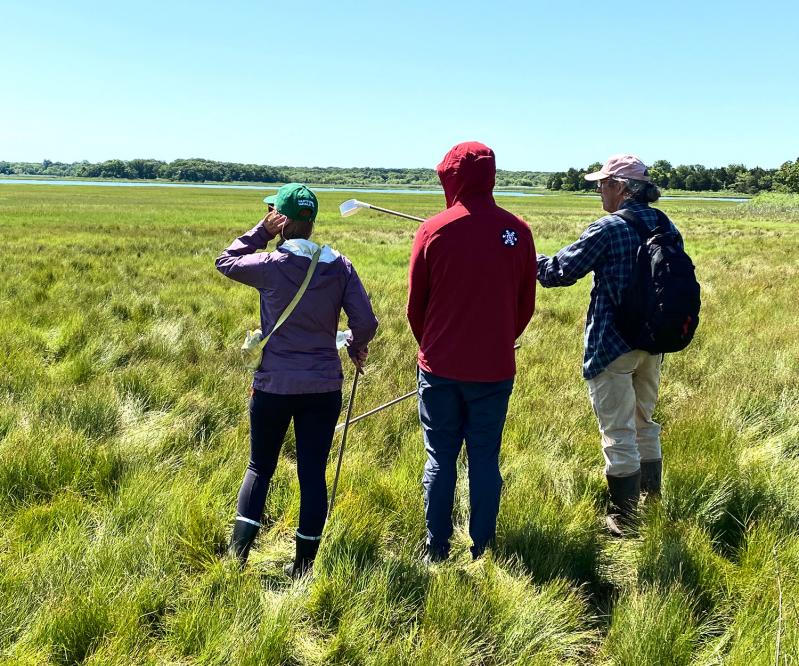
John Aldred, a Deputy Clerk of the East Hampton Town Trustees , is a former lifeguard, part-time ichthyologist, environmental analyst, and founding director of the East Hampton Shellfish Hatchery. A tall, slender man with a gray ponytail bun and metal-rimmed glasses, he has also been counting mosquitoes for the Suffolk County Division of Vector Control since 2017. Twice a month — during the new and full moon tides — he and his team of volunteers walk miles of boggy marshland looking for mosquito larvae. The data, collected with the help of a plastic dipper cup affixed to a stick, is sent through a digital GPS-enabled app to the county authorities, who then tell their helicopter pilots precisely where to unload their cargo of larvicide.
“They used to spray a liquid mixture of methoprene and Bti, but now they use pellets,” Aldred said. Granulated larvicide pellets, he explained, are less likely than aerosols to be dispersed where they are not wanted or needed.
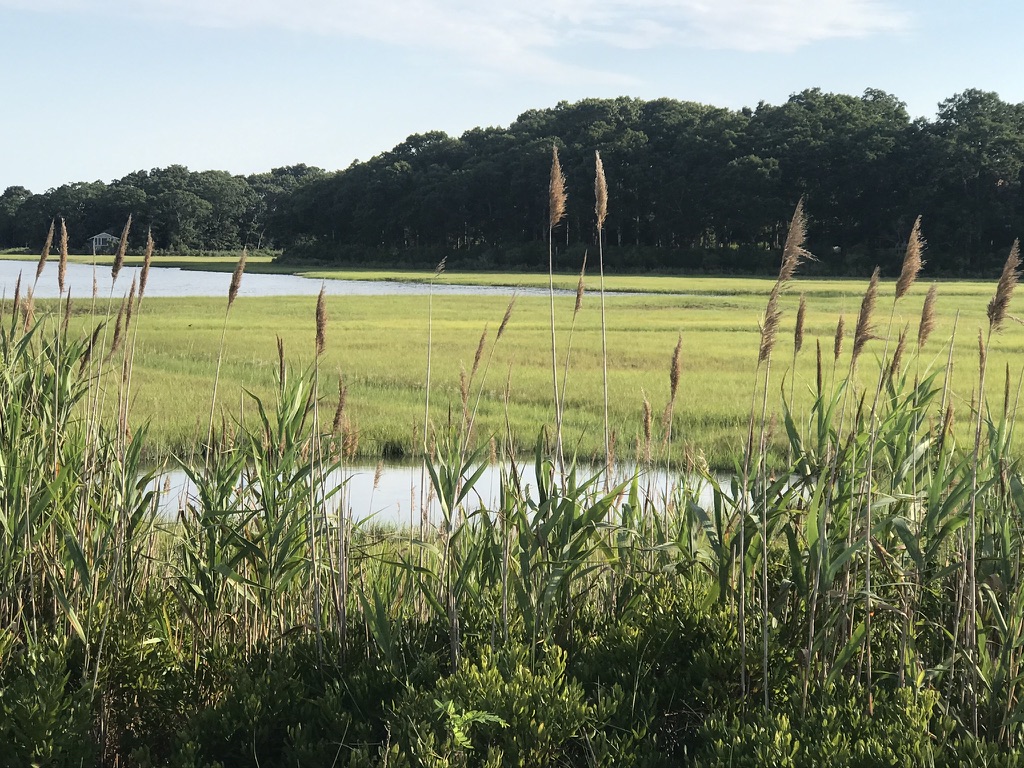
Photo Susan McGraw-Keber
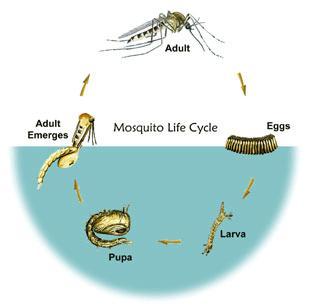
Bti, the first component of the larvicide pellets being targeted at Accabonac Harbor and dozens of other Long Island marshes, is a naturally occurring bacterium found in soil that has been found to be harmless to humans, other mammals, birds, and fish. Methoprene, too, is said to be harmless to mammals and birds. Still, some studies link the chemical to disruptions in the reproductive cycles of estuarine and freshwater invertebrates, crabs, crustaceans, and reptiles.
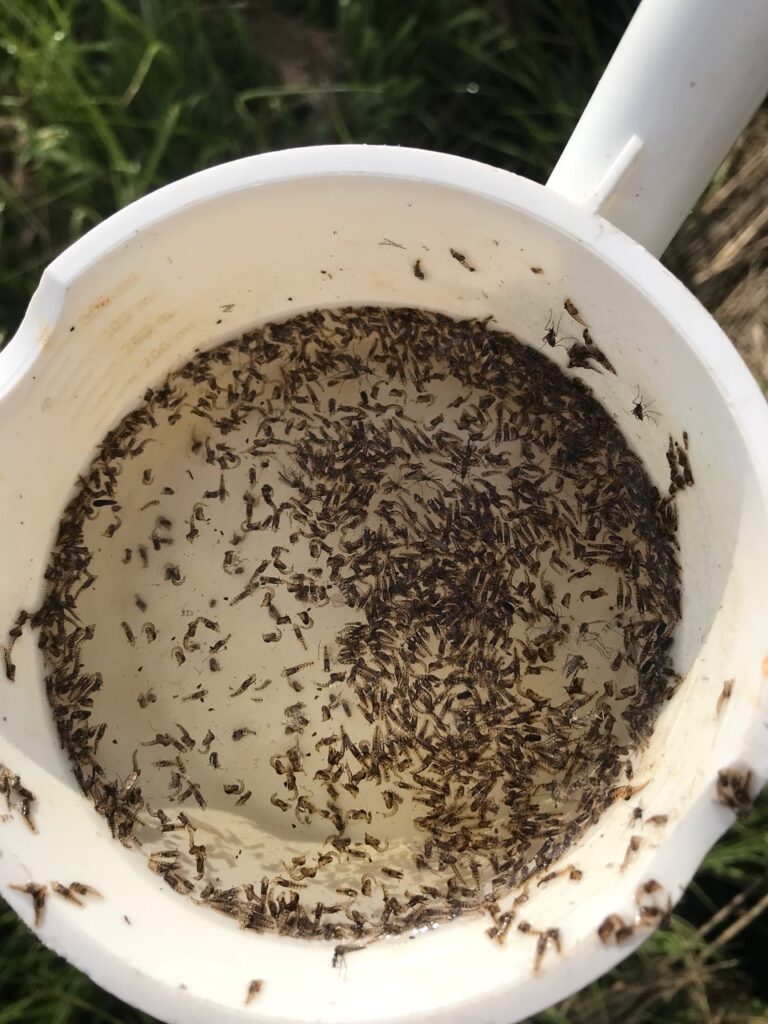
Photo Susan McGraw-Keber
Counting individual mosquito larvae in an area two thirds the size of Central Park might seem like a fool’s errand, but in 2019, after only two years of the pilot program, Suffolk Country Legislator Bridget Fleming, the Town of East Hampton, the East Hampton Trustees, and participating environmental groups, including the Nature Conservancy and the Accabonac Protection Committee, announced the program’s remarkable success. The long hours put in by Aldred and other volunteers collecting data pinpointed where the mosquito breeding hot spots were located. This data, reported to the helicopter pilots, resulted in an 81-percent reduction in the use of methoprene and a 77-percent savings in costs for Suffolk County Vector Control. Instead of spraying 2,500 aggregate acres, the county found it only necessary to spray 500 acres, most of that farther away from shore birds, osprey, and fish. It was a win-win situation for all involved.
To read the article in EAST by Glyn Vincent click on the tab below.
https://www.easthamptonstar.com/east-magazine/20251129/diversions-mosquito-hunters